


News
How to Pack Auto Parts for Container Shipping: A Practical Export Checklist
Container loading is where many auto parts orders are quietly won or lost. A filter that arrives crushed, a bumper bracket that arrives rusted, or a mixed-up carton of lock sets can erase the margin on an entire shipment. After loading hundreds of containers of automotive spare parts for buyers in Africa, South America, and Southeast Asia, we have learned that good packing is not about spending more — it is about matching the packing method to the part. Here is the checklist we follow before every 40ft container leaves the factory.
1. Sort Parts by Fragility and Weight
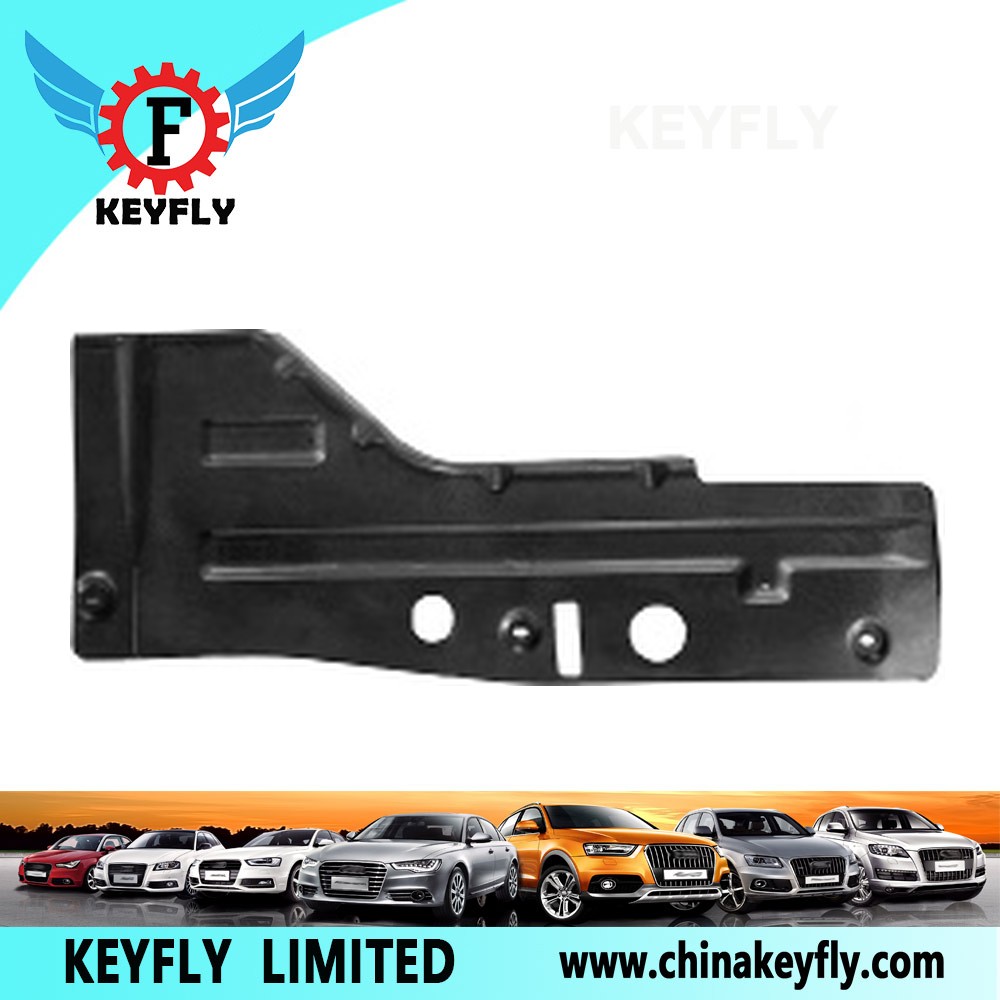
The first rule is simple: never stack heavy on top of light. Bulky steel items such as brackets, cross members and bumpers go on the floor and at the door end of the container, where they can bear the weight of later layers. Light, fragile items — air filters, cabin filters and plastic trim — are loaded last, on top, and preferably on pallets so forklifts never touch the cartons directly. Small hard parts like car locks, ignition switches and wiper blades are consolidated into fewer, well-taped master cartons instead of dozens of loose small boxes that shift in transit.
2. Protect Against Moisture and Rust
Containers sailing through tropical humidity can see 60-80% relative humidity inside, and condensation ("container rain") forms when temperatures swing between day and night. For steel cargo this is the number-one risk. Our standard practice:
- Every steel part is oiled or anti-rust coated before boxing; machined surfaces get grease paper.
- Cartons are stacked on poly bags or shrink wrap as a vapor barrier, with silica gel placed at several points inside the container.
- Ventilated cartons are avoided for coated parts; kraft-lined cartons are used on long routes.
3. Match Carton Strength to the Part
Filters are the classic failure case. A single-wall carton of air filters stacked five layers high will arrive as compressed cardboard. Filter cartons therefore use double-wall board, internal dividers, and a declared max-stack height — usually four to five cartons — marked on the outside. Body panels and grilles are wrapped edge-to-edge with foam board, because a chipped corner on a painted panel is an instant customer complaint. These packing details are fixed at the quotation stage for our auto body parts and filter programs, not improvised on loading day.
4. Label for the Warehouse, Not for the Factory
When a buyer receives 20 pallets covering 400 SKUs, the invoice is useless if cartons are only labeled with our internal codes. Every master carton carries the product code, OEM reference, model application and carton number (e.g. 12/48), making customs clearance and warehouse sorting straightforward — especially for buyers who re-distribute to regional markets straight from the port.
5. Photograph and Map Every Load
Before the container door closes, we photograph the loading sequence and record a simple stowage map: which section holds filters, which holds body parts, which holds lock sets. If a short quantity is ever claimed, the photos and map show within minutes whether the goods were loaded, damaged in transit, or lost after discharge.
Disciplined packing costs a few cents per carton and saves whole shipments. Planning a mixed container of filters, body parts, brake components or locks? Contact us with your list and destination port for a packing plan that fits your route.
About KEYFLY LIMITED
KEYFLY LIMITED (www.chinakeyfly.com) is a professional exporter of automotive spare parts — air filters, car locks and ignition switches, brake slack adjusters, body parts and wiper blades — serving distributors and wholesalers in Africa, South America, and Southeast Asia. Contact: vicky@chinakeyfly.com


