


News
Which Air Filters Should a New Auto Parts Shop Stock First? A Starter Guide
Opening a new auto parts shop is easy; keeping the shelves productive is not. Most first-year losses come from slow stock — shelves full of parts that wait for months while customers walk away because the everyday references are missing. Filters solve this problem better than almost any other category: they are consumables, they fit thousands of vehicles on the road, and they turn over within weeks. For a new shop in Africa, South America or Southeast Asia, air filters are usually the right place to begin. The question is not whether to stock them, but which references to pick first.
Start with the Brands on Your Local Roads
Before opening any catalogue, spend one afternoon counting vehicles. In most African and Southeast Asian cities, Toyota, Nissan, Hyundai and Isuzu dominate; in South America, Volkswagen, Chevrolet and Fiat lead the street. Your first fifty references should mirror that count, not a supplier’s preference. A workshop that services five Corollas a week will buy the same filter again and again — one steady reference is worth more to your cash flow than twenty rare ones.
Flat Panel Filters First, Round Filters Next
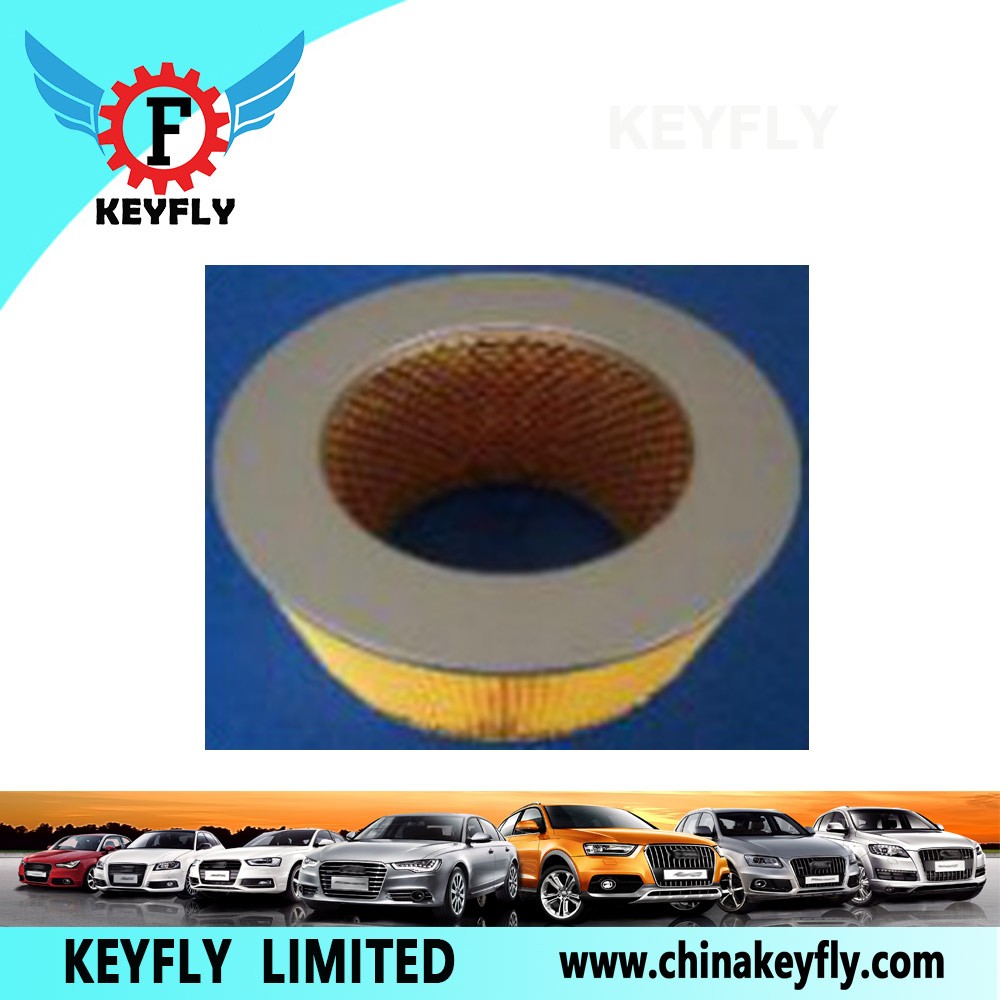
Air filters come in two common shapes. Panel filters — rectangular pleated elements in a rubber frame — fit most modern sedans and pickups, so they should fill the majority of your opening stock. Round and cone filters cover older engines, trucks and many Japanese models, and they remain a strong second line. Check each reference for the OEM number stamped on the end cap; buyers increasingly ask by number. For example, the round filter YB-160, replacing Toyota 17801-67050, serves Hilux and Land Cruiser applications, while the panel filter YB-104A for 17801-61030 / 17801-60040 covers Corolla engines that never stop moving.
Depth Beats Breadth
- Pick the top 30–50 references, not 300. A deep shelf of moving numbers beats a thin spread across the catalogue.
- Keep two depth units of each top reference. When a workshop needs a filter today, a missed sale today becomes a lost customer next month.
- Record every requested number you cannot supply. That list is your next replenishment plan — and your best free market research.
- Check pleats and rubber seals on arrival. Even pleat spacing and a soft, crack-free gasket are the fastest quality signals a buyer can see.
Plan the Replenishment Rhythm
Filters sell in a predictable rhythm tied to service intervals, so review stock every two to four weeks and re-order before the shelf empties. As the filter line stabilises, add adjacent fast movers that the same customer already needs: wiper blades, door locks and ignition switches, brake slack adjusters and body panels. Building the shop around consumables first, then expanding into repair parts, keeps cash turning while the customer base grows.
KEYFLY lists more than 1,700 air filter references in the CAR FILTER category, organised by brand and searchable by OEM number — a practical checklist source when building an opening stock list. New shops are welcome too: small mixed quantities are accepted, and the sales team can help you turn a vehicle survey into a first stocking plan.
About KEYFLY LIMITED
KEYFLY LIMITED (www.chinakeyfly.com) is a professional exporter of automotive spare parts — air filters, car locks and ignition switches, brake slack adjusters, body parts and wiper blades — serving distributors and wholesalers in Africa, South America, and Southeast Asia. Contact: vicky@chinakeyfly.com


